
Before there were therapists, there were drummers, dreamers, and shape-shifters.
Long before brain scans and bio-hacking trends, humans were slipping into expanded states of awareness through breath, drum, dance, plants, fasting, ritual, and dreams. In his article, The Epistemology and Technologies of Shamanic States of Consciousness published in Journal of Consciousness Studies, Stanley Krippner (2000) explores how Indigenous and traditional cultures have used these states—not to escape reality, but to engage with it more deeply.
This isn’t about spacing out. It’s about tuning in.

Altered States Are Normal (and Necessary)
Anthropologist Erika Bourguignon’s cross-cultural research found that the majority of societies on Earth recognize altered states of consciousness (ASCs) as part of spiritual or healing practice (1979). These aren’t fringe experiences—they’re foundational. Shamans around the world use ASCs to diagnose illness, receive visions, mediate conflict, retrieve lost soul parts, and more.
Krippner (2000) emphasizes that while the expression of these states varies widely (some cultures favor trance dancing, others dream incubation), their function—healing, insight, and spiritual connection—remains universal. That means shamanism is for everyone.
We are all connected through pan-cultural shamanic expressions of altered states of consciousness and the use of earth-based energy medicine.
So What Makes a Shamanic ASC?
Researchers like Peters and Price-Williams (1980) noted some shared traits across cultures:
- Shamans can usually enter and exit the state at will.
- They often communicate clearly during the experience (yes, while journeying between worlds).
- They remember what happened, often with striking clarity.
- And they use the state in service to others—not for ego, but for healing and guidance.
We’re not talking about the party scene. We’re talking about disciplined, sacred work.

How Do Shamans Get There?
The “how” is as diverse as humanity itself. Some rely on rhythmic drumming (4–7 beats per second can shift brainwaves into theta states). Others use dancing, chanting, fasting, or sacred plant medicines. Still others harness the power of sleep deprivation, dreamwork, or solitary time in nature.
These practices aren’t random—they’re part of a ritualized, meaning-laden system designed to alter consciousness with intent.
At Whitefox Shaman, Brycie uses art, fire, stones, and the focused power of intent to open the door to ASCs — where ritual becomes release, and symbols speak louder than words.
Symbols That Shift Worlds
In shamanic practice, symbols aren’t metaphors. They’re portals.
The drum might represent the World Tree. A sand painting might mirror the sacred four directions. These symbols aren’t just “pretty pictures”—they’re living tools for shifting perception, connecting to ancestral wisdom, and navigating the Spirit realms.
In many Indigenous cultures, children with visionary dreams were identified early and trained in these practices, learning to work with symbols, Spirits, and sensory states from a young age. What modern psychology might call “imagination,” traditional cultures saw as sacred communication.

Not Just Language—Embodied Knowing
Krippner (2000) challenges the Western idea that consciousness is just about words and thought. Instead, he echoes researchers like Steven Mithen (1996) and Newton (1996) (no, not that Newton), who argue that early humans didn’t think in sentences—they thought in images, stories, and sensations.
We moved through meaning. We danced our grief. We painted our dreams.
Shamanic states help us return to this embodied, mythic way of knowing—something we’ve long suppressed but never truly forgotten.
Ancient Artifacts, Timeless Wisdom
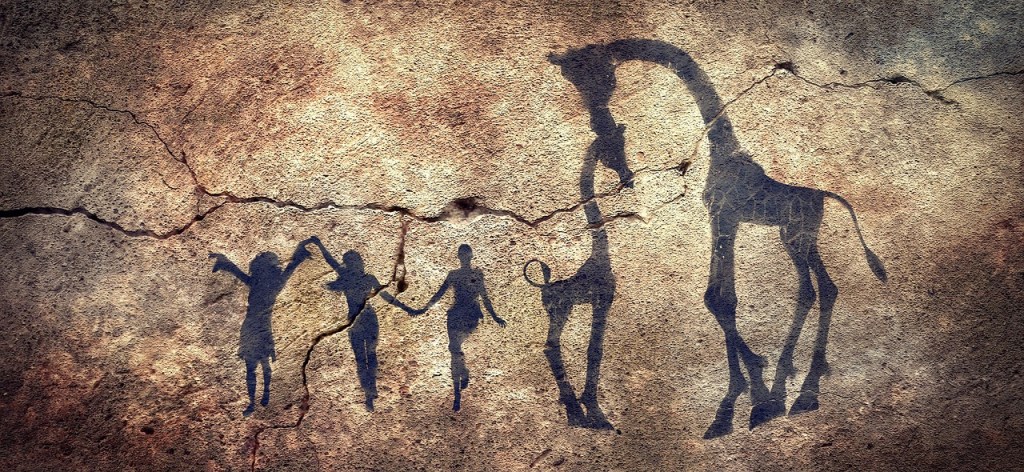
Cave paintings, fertility figures, and ancient drums suggest that humans have been entering and mapping these states for over 30,000 years. While scholars debate whether all early art was shamanic, there’s little question that many of these artifacts emerged from rituals designed to blur the boundaries between this world and the next.
In other words, your nervous system isn’t “too sensitive.” It’s ancient. It’s tuned to rhythm, pattern, and story. And that’s a gift.
Final Thought: Sacred Tech for the Soul
Shamanic states of consciousness are not a detour from reality—they’re a return to a deeper, wilder, more interconnected way of knowing. They’re sacred technology—designed to help us heal, remember who we are, and reconnect with the unseen world that lives just beneath the surface of the visible.
And that, my friend, is a kind of magic this world could use a little more of.
Curious, yet?
Connect with Whitefox (Brycie) for a free consultation to learn more about how shamanic psychotherapy can help you explore your own altered states in a safe, sacred and supported way.
 Whitefox Shaman